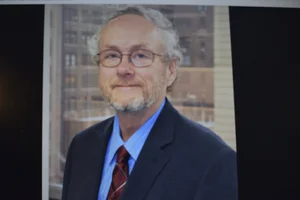
I’m a certified nutrition coach through Precision Nutrition, but my education began long before my certification.
In the mid-1990s, I was significantly overweight. During my lunch breaks, I would visit a local bookstore and spend my time browsing nutrition and diet books, searching for an approach that would finally help me lose the weight. That search became a lifelong passion. More than 30 years later, I still study nutrition every day, and my interest has only grown stronger over the last decade.
My coaching philosophy is built on a few simple principles.
No diet pills. I believe lasting weight loss comes from changing habits, not relying on quick fixes.
Gradually increase dietary fiber. Fiber is one of the most powerful tools for managing hunger because it promotes fullness while supporting gut health. As people naturally feel more satisfied, eating well becomes easier.
Eat more whole foods and fewer processed foods. Whole foods retain the fiber and nutrients that help support health and satiety. Building meals around minimally processed foods makes it easier to create eating habits that last.
Use intermittent fasting when appropriate. For many people, intermittent fasting can be an effective strategy to help reduce body fat, improve appetite control, and simplify eating patterns. It isn't the right approach for everyone, but when it fits a person's lifestyle, it can be a valuable tool.
Evaluate level of exercise and quality of sleep. Simply because these factors have a major impact on any concerted effort to lose weight.
Focus on 1% improvements. I don't ask clients to transform their lives overnight. Instead, we identify small, realistic changes they can consistently maintain. Those small improvements compound over time.
I tell clients not to judge success after a week or two. Real, sustainable change takes time. As healthy habits accumulate, the results begin to build on one another. Three months of consistent effort can produce remarkable progress—not just on the scale, but in energy, confidence, and overall health.
My goal isn't to put clients on another diet. It's to help them build a way of eating they can enjoy and maintain for the rest of their lives.